The Bank of Ghana (BoG) is preparing to introduce a new regulatory framework for digital banking as part of efforts to strengthen oversight of Ghana's rapidly evolving financial sector and create a clear legal foundation for digital financial services.
Governor Dr. Johnson Asiama announced that the central bank has completed work on the Digital Banking Framework and accompanying draft guidelines, which will soon be presented to industry stakeholders for consultation before implementation.
According to him, Ghana's financial sector has evolved beyond traditional banking, with digital platforms, payment networks, technology providers, and new financial services playing an increasingly significant role. He stressed that regulation must also evolve to address these changes and ensure the safety and stability of the financial system.
Speaking at the Financial Architecture Summit in Accra, Dr. Asiama explained that the framework is intended to support the next phase of digital banking by providing clear regulatory guidance for financial institutions and technology-driven financial services.
The Governor also revealed that the Bank of Ghana is working with the Securities and Exchange Commission (SEC) to develop licensing requirements and implementation guidelines for the Virtual Asset Service Providers (VASP) Act, 2025, which will regulate virtual asset and cryptocurrency-related activities in Ghana.
As part of the country's digital transformation agenda, the Bank of Ghana is continuing to modernise national payment systems to make financial transactions more secure, efficient, and inclusive.
Dr. Asiama further disclosed that the central bank remains committed to developing the e-Cedi, Ghana's proposed central bank digital currency. He said ongoing work is exploring its use in cross-border transactions and wholesale payments within the domestic financial system.
The Governor also highlighted cybersecurity as a growing priority for financial sector supervision, noting that the Bank of Ghana is expanding its oversight beyond capital and liquidity requirements to include the protection of digital infrastructure and customer data.
He said the revised Cyber and Information Security Directive, launched earlier this year, requires financial institutions to strengthen board-level oversight of cyber risks and introduces Ghana's first comprehensive governance framework for the use of artificial intelligence in areas such as fraud detection, credit scoring, and customer service.
Dr. Asiama urged financial institutions to view innovation as more than adopting new technologies, emphasizing that investments in governance, cybersecurity, consumer protection, risk management, and leadership are equally important to building a resilient and trusted digital financial ecosystem.
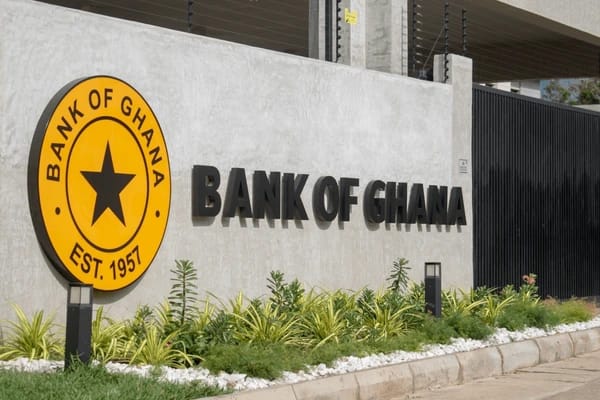
Bank of Ghana to Introduce New Digital Banking Framework
Bank of Ghana to Introduce New Digital Banking Framework