The University of Health and Allied Sciences has intensified efforts to address Female Genital Schistosomiasis (FGS) through its WINGS-4-FGS project in the Asuogyaman District.
The initiative targets one of Ghana’s often overlooked public health conditions, which mainly affects women and girls living in communities along the Volta Basin.
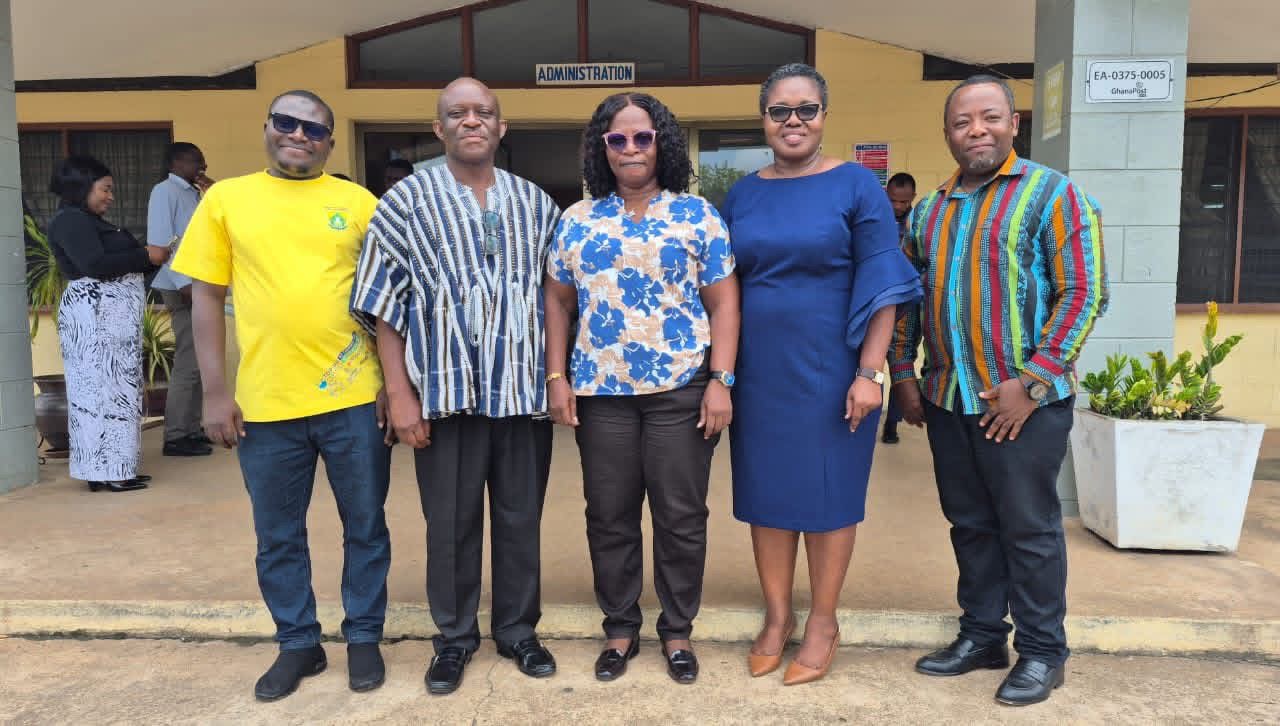
As part of the project, a UHAS team visited Asuogyaman on April 1, 2026, to strengthen collaboration with local health authorities and align project activities with district health priorities.
According to the university, Female Genital Schistosomiasis remains underdiagnosed, poorly understood, and heavily stigmatized, leaving many affected women with limited access to treatment and support.
Margaret Gyapong, Site Principal Investigator for the project, said the programme is designed to be sustainable and integrated into existing health systems.
She also highlighted limited prevalence data in communities along the Volta Basin, noting that some areas have reported infection rates above 90 percent.
A major feature of the initiative is a self-sampling diagnostic method, which allows women to provide samples privately and reduces discomfort associated with conventional examinations.
The project is also examining improved treatment methods, strengthening patient care, and introducing communication campaigns to increase awareness of the condition.
UHAS said teachers, health workers, and community leaders will be engaged to identify knowledge gaps and help design local interventions to improve awareness and reduce stigma.
By integrating FGS management into sexual and reproductive health services, the university hopes to normalise treatment and improve access to care.
The collaboration between UHAS and district stakeholders is expected to improve the health and well-being of women and girls affected by the disease while bringing greater attention to a neglected health challenge in Ghana.
UHAS Leads Effort to Tackle Female Genital Schistosomiasis in Asuogyaman
UHAS Leads Effort to Tackle Female Genital Schistosomiasis in Asuogyaman