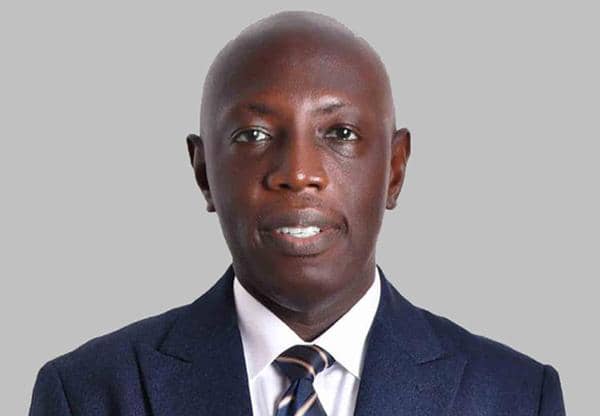
The Dean of the Faculty of Accounting and Finance at the University of Professional Studies, Accra (UPSA), Professor Isaac Boadi, has questioned the rationale behind President John Dramani Mahama’s nomination of three additional judges to the Supreme Court of Ghana, asking whether the move is aimed at improving judicial efficiency or addressing specific challenges facing the court.
President Mahama recently nominated Court of Appeal Justices Sophia Bernasko-Essah and Amoako Asante, alongside legal practitioner and former President of the Ghana Bar Association, Tony Forson, for appointment to the country’s apex court.
The nominations were made following consultations with the Judicial Council in line with constitutional requirements. If approved by Parliament, the appointments will increase the number of Supreme Court justices from 18 to 21, expanding the composition and capacity of the highest court.
Speaking during a panel discussion on Peace FM’s Kokrokoo programme on July 17, 2026, Prof. Boadi acknowledged the qualifications of the nominees but said the key issue was understanding the reason behind the expansion of the court.
He questioned whether the decision was driven by the need to reduce delays in the determination of cases or concerns about the quality and effectiveness of judicial services.
“I have heard of the government appointing three additional Supreme Court judges. Even though the people really qualify for the position, my concern is, at this period, is it that the court’s speed is limited and he wants them to help, or is the quality of service not going on well, and that is why he is appointing them?” he asked.
Prof. Boadi’s comments come after the President’s move to strengthen the Supreme Court’s membership, a decision expected to enhance the court’s ability to handle cases and improve judicial operations if approved by Parliament.
UPSA Dean Questions Rationale Behind Mahama’s Supreme Court Nominees
UPSA Dean Questions Rationale Behind Mahama’s Supreme Court Nominees