The Kwame Nkrumah University of Science and Technology’s Africa Health Collaborative, in partnership with the Mastercard Foundation, has hosted a Secretariat Learning Partner delegation for a three-day inception visit aimed at strengthening collaboration and enhancing programme delivery. The visit focused on reviewing existing insights, refining strategies, and deepening engagement with Monitoring, Evaluation, Learning and Adaptation (MELA) leads across participating institutions to ensure more effective and evidence-driven interventions.
The delegation, comprising experts including Ernest Asamoah and Jackson Ilangali, engaged in a series of technical sessions, interviews, and collaborative discussions designed to improve learning systems and strengthen impact across the network. According to Principal Investigator Ellis Owusu-Dabo, the initiative represents a critical step in integrating research, programme data, and real-world experiences into adaptive strategies that inform policy and future programming. He emphasized that grounding interventions in credible evidence is essential to achieving meaningful and sustainable change.
As part of the visit, the delegation undertook site engagements at the Seventh-day Adventist Hospital in Asamang and the KNUST University Hospital, where practical outcomes of the programme were showcased. Health professionals highlighted how training in palliative care and quality improvement has transformed service delivery, enabling facilities to implement effective care strategies using available resources while improving patient communication and engagement.
The visit also demonstrated the broader impact of the Collaborative’s initiatives, including the training of over 300 hospital staff in patient-centred communication and the implementation of quality improvement projects based on data-driven insights. These efforts have contributed to improved healthcare delivery, stronger accountability systems, and a growing culture of continuous learning within participating institutions.
The three-day engagement marks a significant milestone in advancing the Africa Health Collaborative’s mission to drive innovation, strengthen partnerships, and deliver sustainable, evidence-based healthcare solutions across the continent.
KNUST Africa Health Collaborative Hosts Learning Partner Delegation to Strengthen Programme Impact
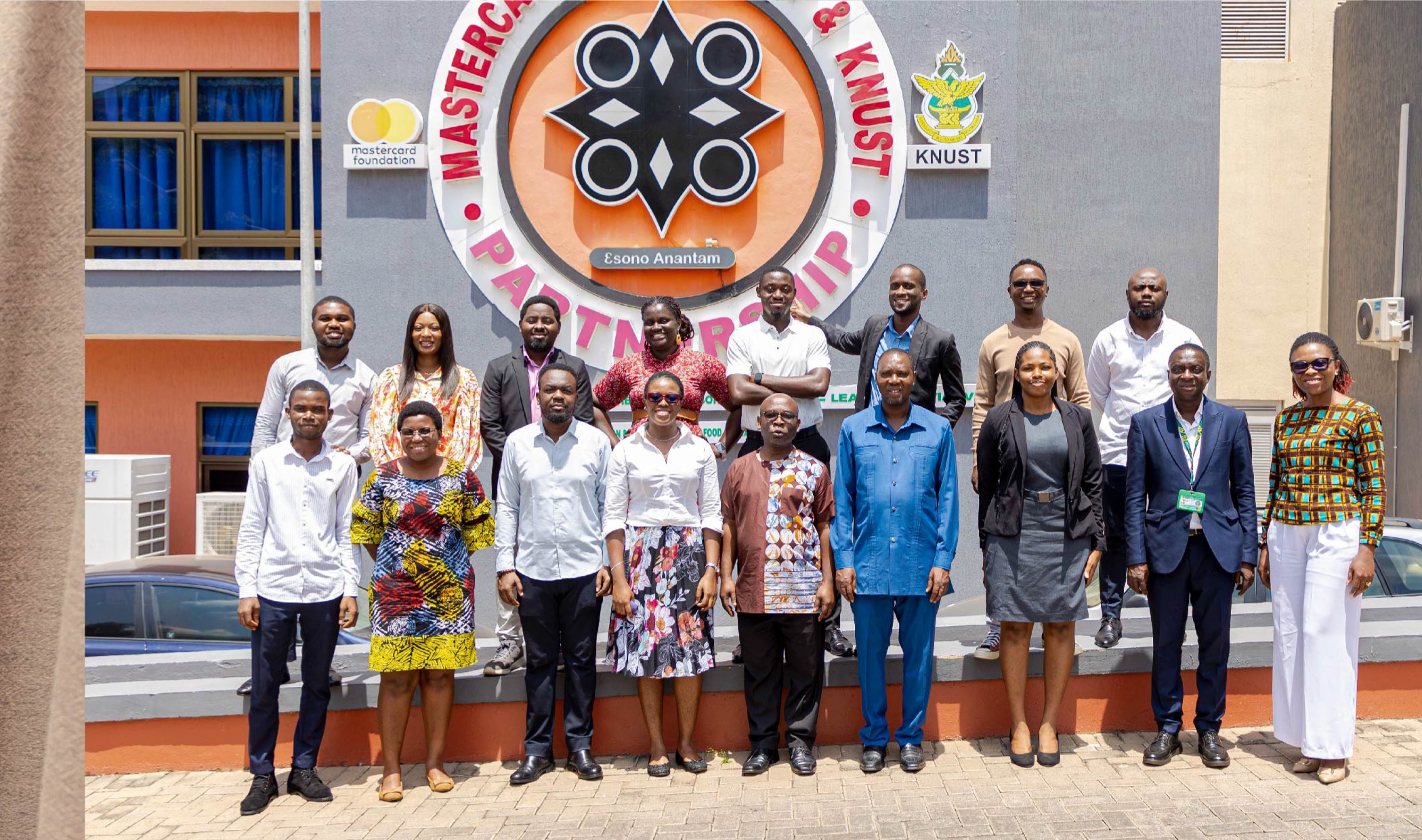
KNUST Africa Health Collaborative Hosts Learning Partner Delegation to Strengthen Programme Impact