Professor Ebenezer Kofi Howard of the Department of Industrial Art, KNUST has urged the government to position Ghana’s textiles and apparel (T&A) industry as the foundation of its 24-Hour Economy policy, arguing that the sector holds significant potential for industrialisation, job creation and sustainable economic growth.
Delivering his inaugural lecture titled “Beyond Clothing the Nudity of Humanity: How Sustainable Textiles and Apparel Industry Can Rescue Ghana from Its Socio-Economic and Environmental Quagmire,” Prof. Howard proposed the establishment of textiles and apparel production hubs across all 16 regions of the country.
According to him, the industry is particularly suitable for round-the-clock production due to its shift-based operational structure, which can create thousands of jobs while increasing productivity and economic output. He cited countries such as Bangladesh, Vietnam, India, China, Cambodia and Sri Lanka as examples of nations that have successfully leveraged the sector to transform their economies and improve livelihoods.
Prof. Howard expressed concern over the continued decline of Ghana’s textile industry despite various policy interventions over the years, including import substitution initiatives, the African Growth and Opportunity Act (AGOA), the National Friday Wear campaign and the One-District-One-Factory programme.
He noted that Ghana currently imports more than 70 per cent of its textiles and garments while exporting less than 10 per cent, leaving fewer than 2,000 workers employed in the country’s four remaining large-scale textile companies. Although the apparel industry employs over 6,000 people, he explained that it remains heavily dependent on imported raw materials and equipment.
The professor attributed the industry’s challenges to trade liberalisation, outdated machinery, smuggling, limited raw material production and the influx of imported textiles and second-hand clothing. He argued that these factors have weakened local manufacturing and reduced Ghana’s competitiveness within the global textile value chain.
Prof. Howard also raised environmental concerns about the growing volume of second-hand clothing imports, describing Ghana as a major destination for discarded garments. He warned that the practice contributes to waste management problems and undermines domestic production.
To reverse the trend, he called for a comprehensive national textiles and apparel policy focused on local production, sustainable raw material development, investment in fibre production and stronger support for local manufacturers. He further recommended restructuring the Cotton Development Authority to strengthen cotton production and improve regulation within the sector.
According to Prof. Howard, the global textiles and apparel industry is valued at more than US$5 trillion and employs over 300 million people worldwide, making it one of the largest industrial sectors globally. He believes Ghana can harness similar opportunities through strategic leadership, targeted investments and favourable policies.
He concluded that revitalising the textiles and apparel industry would help reduce unemployment, decrease import dependence, preserve Ghana’s cultural heritage, improve environmental sustainability and strengthen the country’s long-term economic resilience.
Professor Howard Calls for Textiles Industry to Drive Ghana’s 24-Hour Economy
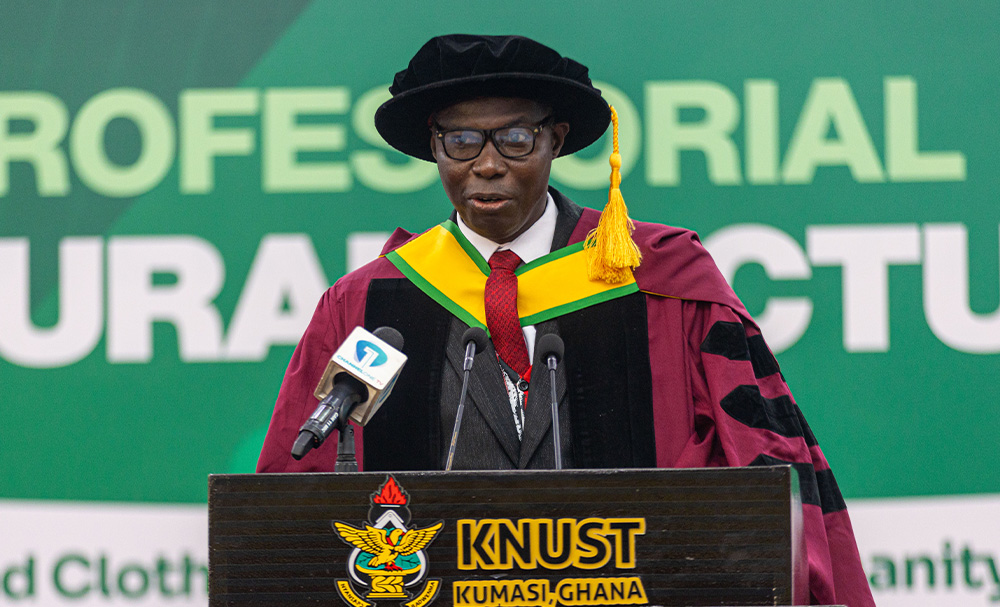
Professor Howard Calls for Textiles Industry to Drive Ghana’s 24-Hour Economy