The United States has officially completed its withdrawal from the World Health Organization (WHO), bringing to an end nearly 80 years of membership in the Geneva-based United Nations health agency. The decision takes effect today, exactly one year after President Donald Trump signed an executive order initiating the withdrawal on his first day back in office in January 2025.
The move revives a policy first pursued by President Trump during his initial term in 2020, when he accused the WHO of mismanaging the COVID-19 pandemic, allowing political influence from China, and failing to implement meaningful reforms. That withdrawal process was later reversed by the Biden administration in 2021, but reinstated following Trump’s return to the presidency.
In statements released by the White House and the Department of Health and Human Services, the administration cited the WHO’s handling of the COVID-19 crisis and what it described as an unfair financial burden on U.S. taxpayers. Prior to the withdrawal, the United States was the WHO’s largest single donor, contributing an estimated 18 to 20 percent of the organization’s annual budget.
A major issue surrounding the exit remains unresolved: outstanding U.S. financial obligations. WHO officials estimate that between $130 million and $278 million is owed in unpaid dues for the 2024 and 2025 periods. Under a 1948 U.S. congressional resolution authorizing membership, withdrawal requires one year’s notice and full settlement of outstanding contributions.
However, the Trump administration has indicated it does not intend to pay the outstanding amounts, arguing that the fees are unjustified given what it considers the WHO’s poor performance. WHO representatives maintain that without payment, the withdrawal process may be considered incomplete, potentially leaving the matter before the organization’s governing bodies or the United Nations.
The departure is expected to significantly affect the WHO’s finances, with internal projections suggesting possible staff reductions of up to 25 percent by mid-2026, alongside broader operational constraints.
The withdrawal aligns with a broader shift in U.S. foreign policy under the Trump administration, which has moved to reduce involvement in multilateral institutions viewed as inconsistent with national interests. Earlier this month, a presidential memorandum directed the withdrawal from 66 international organizations and reaffirmed the U.S. exit from the Paris Climate Agreement.
Supporters of the decision describe it as a move to protect U.S. sovereignty and reduce what they see as excessive global commitments. Critics, however, warn that leaving the WHO could weaken global health cooperation and limit U.S. access to critical disease surveillance data and emergency response mechanisms.
Public health experts have raised concerns that the withdrawal may hinder coordination on pandemic preparedness, vaccine development, and the monitoring of infectious diseases such as polio and emerging viral threats. While the administration has stated it will pursue bilateral health partnerships, details on how key WHO functions will be replaced remain unclear.
As of January 22, 2026, there are no indications of plans to rejoin the organization. Observers note that any future engagement would likely depend on changes in leadership at the WHO or significant institutional reforms.
The United States’ exit marks a major shift in global health governance, with long-term implications for international cooperation and public health still unfolding.
United States Officially Withdraws from World Health Organization
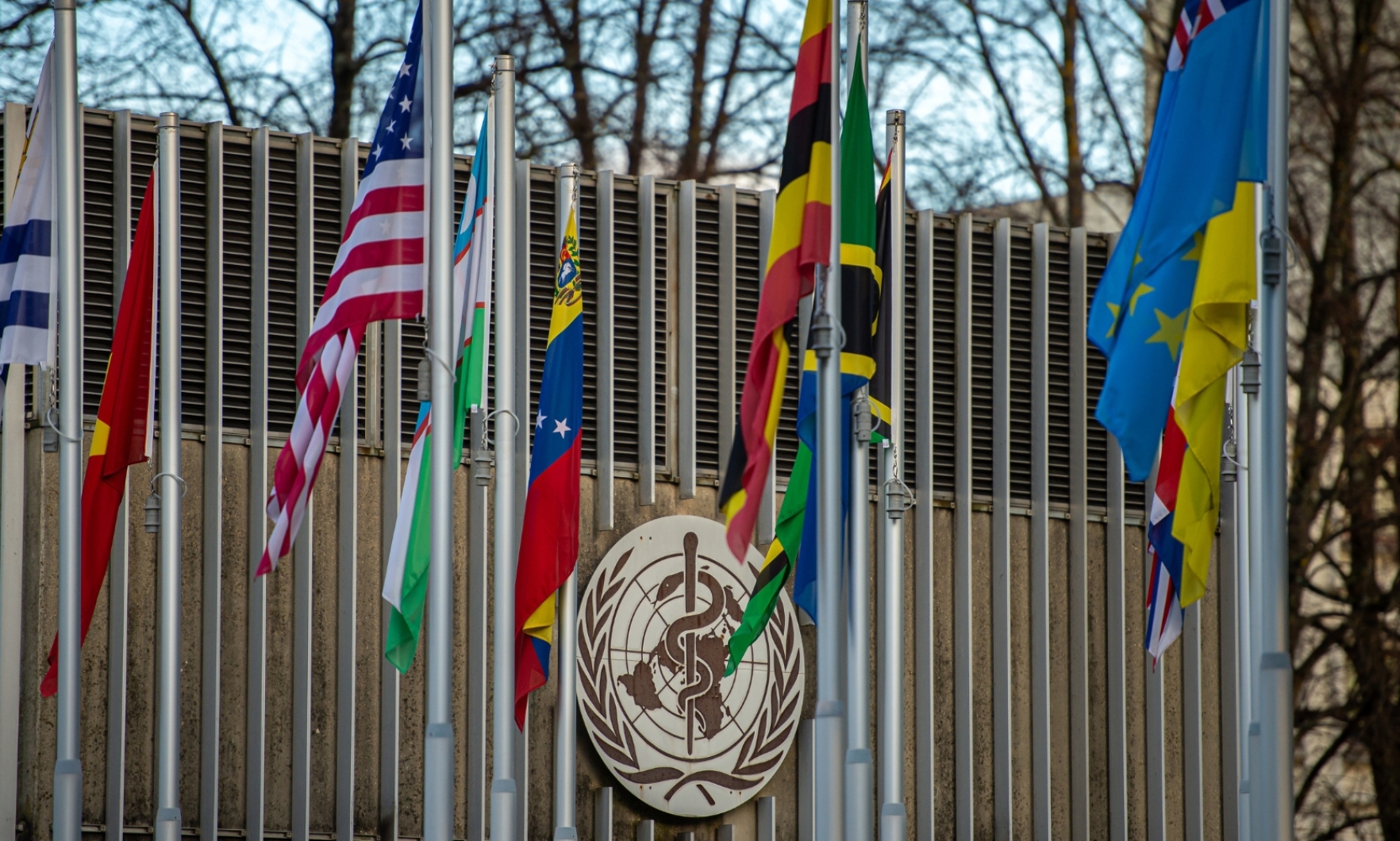
World Health Organization Hq